

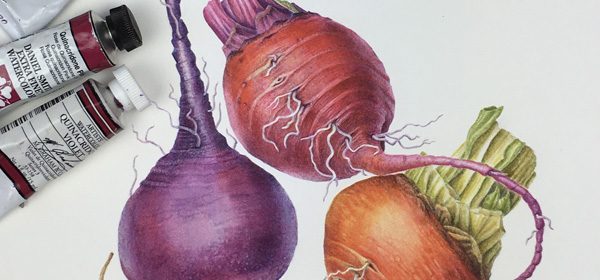
Although the focus of my work is native plants, which are for the most part delicate, ephemeral and many shades of green with touches of color, sometimes I just want to do something bright and bold. The farmer’s market is my place to go for colorful subjects–carrots, kohlrabi, tomatoes peppers…and those are just the beginning of possibilities. Since vegetables are a classic subject used in still lifes by the likes of Renoir and Van Gogh, as well as many contemporary botanical artists, the challenge is to come up with a fresh composition.
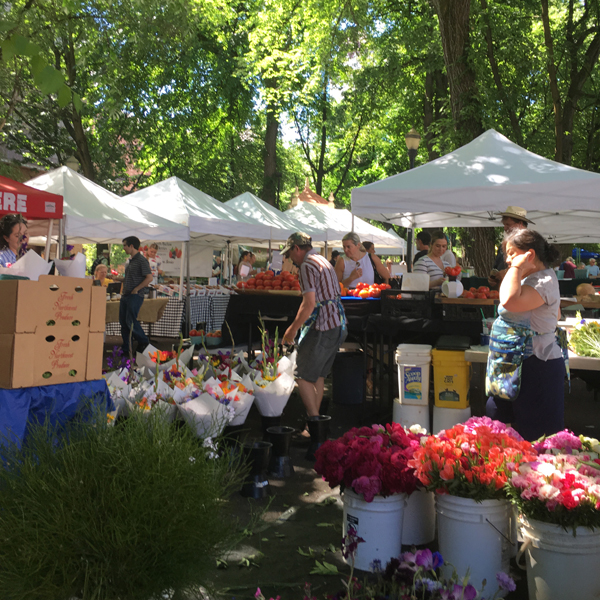
On a visit to the Farmer’s market in 2017, I gathered up an armful of veggies, chosen not for their succulent flavor but for their possibilities as subjects in a painting. I was especially drawn to the beets–beautiful round shapes, gorgeous deep colors and, best of all, some of the root hairs were intact. Because I wanted a fresh composition, a different way of looking at beets, I tried them every which way…and finally gave up. Nothing sparked my interest or gave my heart that little leap of joy that I look for in a composition. Resignedly, I put the beets in a casserole dish to prepare them for the oven and viola…my composition appeared! I loved the way their long roots swirled around one another. Suddenly they seemed to have lively personalities…and I began to draw!

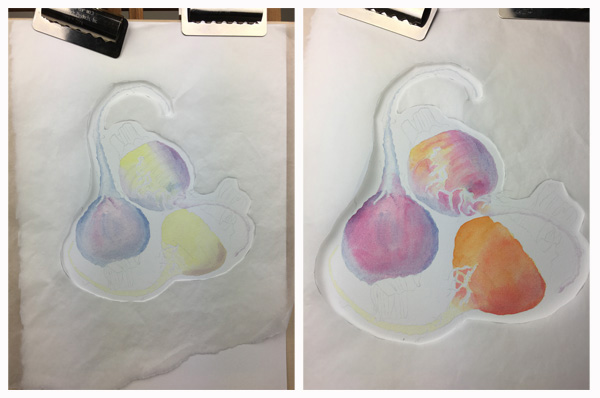
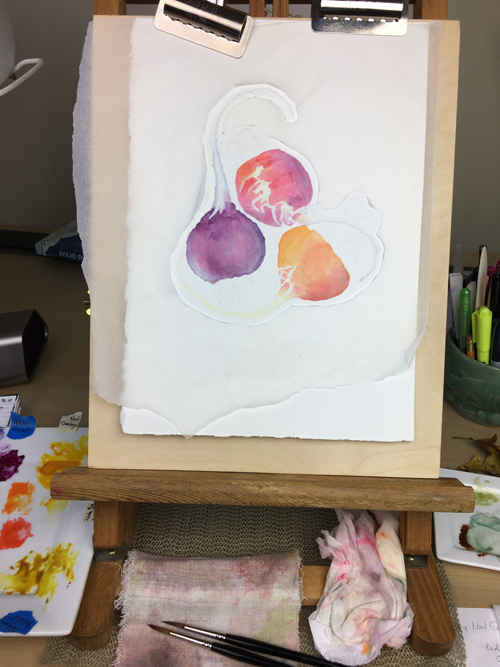
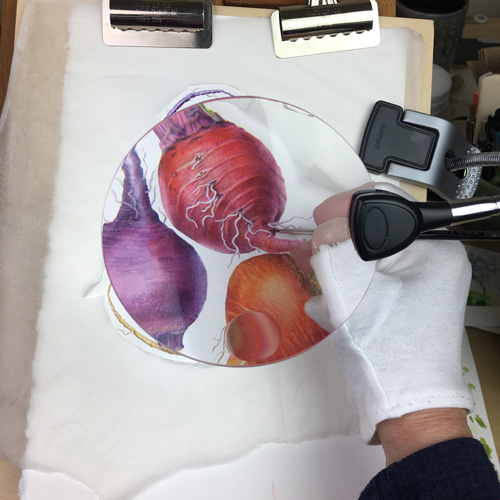
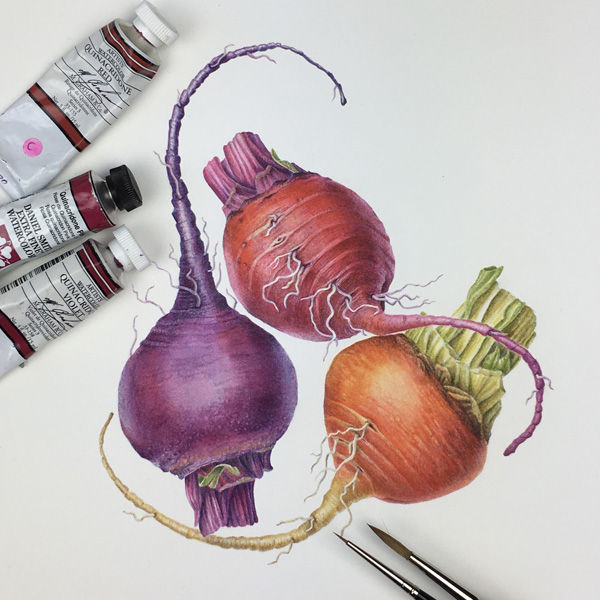
Going around the circle from the left, bull’s blood beet, chioggia beet, and golden beet. These are all heirloom varieties.
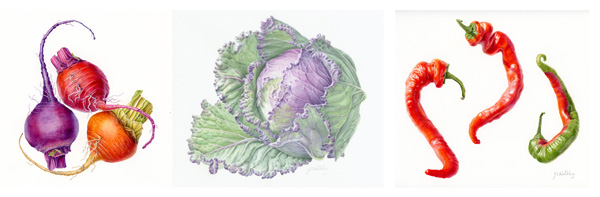
I am going to miss painting this now that I am done. It seems to have its own lively personality that lifted my spirits whenever I saw it. It became a sort of companion. This painting is part of a series of three vegetables, cabbage, peppers and beets. Prints will be available soon.


 This blog is about my journey as a botanical artist--what I am learning, what inspires me and what I am currently drawing or painting. My desire is to continually hone my skills to better express my wonder and gratitude for the beauty of the creation around me in the Pacific Northwest (USA).
I love the painting of the beets, especially all the detail of the roots and shoots.
This is lovely! I particularly like the detail of the roots and shoots
Thanks, Angela! I was happy to find beets with some roots left on them at the Farmer’s Market–usually at the grocery store, they are all removed.